Financing a short-term rental can be frustrating when the property has strong income potential, but…
Investment Property Financing: Using DSCR Loans to Grow Your Florida Portfolio
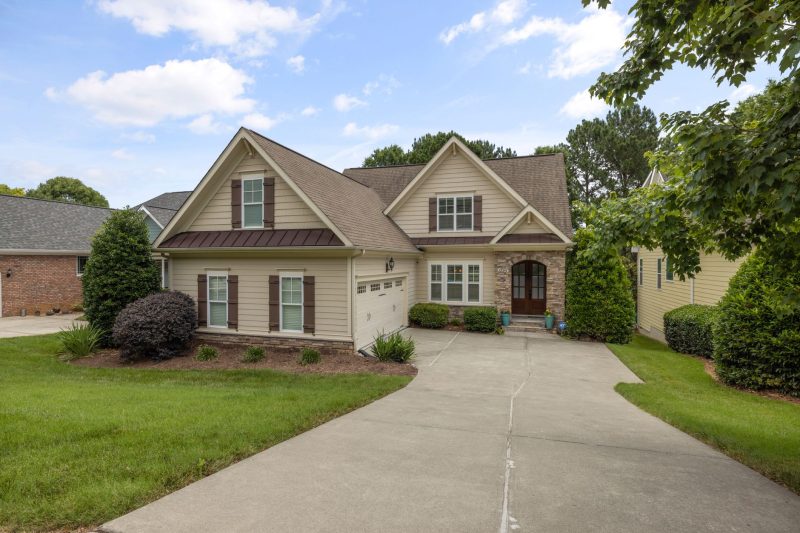
Finding the right financing for your investment properties can be a challenge, especially when traditional options don’t quite fit your situation. A DSCR loan is an investment property loan that qualifies you primarily on your property’s rental income rather than your personal income. In this guide, we’ll explain how DSCR loans work, who they’re great for, and how they can help you build your real estate portfolio in Florida and beyond.
Key Takeaways
- Purpose: DSCR loans help investors purchase or refinance rental properties using rental income as the primary qualifying factor.
- Eligibility: Investors can qualify without verifying personal or employment income; qualification is based on the property’s cash flow.
- Timeline: The process often takes a few weeks, much like standard investment property loans, but can sometimes move quicker with organized documentation.
- Best For: Real estate investors, self-employed borrowers, and those with complex or non-traditional income streams.
Quick Answers: DSCR Loans for Investors
- What is a DSCR loan? It’s a loan based on your property’s rental income, not your personal income.
- Who should consider a DSCR loan? Real estate investors seeking flexible documentation and streamlined approvals.
- Do I need to show tax returns? No, most DSCR programs do not require traditional income documentation.
- Can I use a DSCR loan for short-term rentals? Yes, many programs allow for both traditional and short-term (vacation) rental properties.
What Is a DSCR Loan?
DSCR stands for Debt Service Coverage Ratio. This loan is specifically designed to help real estate investors qualify based on the cash flow generated by the investment property. Instead of focusing on your employment or business income, lenders look at whether your property brings in enough rent to cover its expenses.
The team at E Zip Mortgage (NMLS# 239318) specializes in working with investors who need options beyond traditional bank requirements. If your tax returns don’t paint the full picture, or you own multiple doors and want to keep growing, we provide options outside the typical boxes.
How Does DSCR Qualification Work?
To qualify for a DSCR loan, lenders calculate the ratio between your property’s gross rental income and its total monthly expenses (including principal, interest, taxes, insurance, and any association dues). This is called the DSCR ratio.
- DSCR = Gross Monthly Rent / Total Monthly Payment
Most programs look for a DSCR of at least 1.0, meaning the property’s rent covers the monthly payment. Some options are more flexible. If your property cash flows well—or even just breaks even—you may find DSCR loans open up more doors than you expected.
Benefits of DSCR Loans for Florida Investors
- No personal income verification. You don’t need pay stubs, W-2s, or tax returns for most programs.
- Easier for self-employed borrowers. If you have a complex financial profile, this can be a breath of fresh air.
- Purchase or refinance quickly. Skip lengthy income audit processes and focus on the property’s numbers.
- Works for single-family, multifamily up to 4 units, condos, and short-term rentals.
- Helps experienced investors scale faster. Since your global debt-to-income isn’t the focus, adding more properties gets easier.
Where DSCR Loans Fit in the Florida Market
Florida’s vibrant rental market offers strong opportunities for both long-term and vacation rental investors. With property values and rents shifting from Miami to Tampa, Orlando, Jacksonville, and along the Gulf Coast, you’ll want a loan option as flexible as your investment strategy. DSCR loans provide that flexibility, letting you focus on the property’s performance—especially if your personal income doesn’t meet conventional standards.
Whether you’re a full-time investor, run multiple businesses, or prefer to keep your personal and investment finances separate, DSCR is built with you in mind. We think outside the box when it comes to finding solutions, and we work for you and not the bank—so your growth plan isn’t tied to someone else’s red tape.
Typical DSCR Loan Requirements
- Down payment: Generally 20-30%, but some programs allow for lower or higher depending on the scenario.
- Property type: 1–4 unit residential properties; vacation/short-term rentals are often allowed.
- Credit: Middle credit score requirements apply, but are typically flexible compared to jumbo or bank statement loans.
- DSCR ratio: Most investors qualify if projected or actual rent meets or exceeds monthly payment. Some programs may allow for slightly lower ratios.
- Assets: Proof of sufficient funds for down payment, closing costs, and any reserves required by the lender.
Guidelines change, so it’s always best to review your scenario with a mortgage professional familiar with DSCR lending and Florida’s active markets.
DSCR vs. Other Investor Mortgage Options
| Feature | DSCR Loan | Bank Statement Loan | Conventional Investment |
|---|---|---|---|
| Income Verification | Property rent only | 24 months bank statements | Tax returns, W-2s |
| Who Qualifies | Investors; self-employed | Self-employed; gig workers | W-2 employees or those showing high income |
| Documentation | Lease/rental analysis | Bank statements | Full income and asset review |
| Flexibility | High | High | Moderate |
Where Can I Use DSCR Loans?
We help investors all over Florida—whether you’re focused on emerging coastal towns, inland metro areas, or popular short-term rental spots. We also serve California, Texas, Georgia, North Carolina, Tennessee, and Virginia, so your growth isn’t limited by borders. If you’re expanding out of state or diversifying your investment strategy, we provide options that fit a broad range of property types and markets.
What to Expect: Step-by-Step DSCR Loan Process
- Consultation: Let’s review your scenario and goals. We’ll look at your target property’s rent potential and your broader portfolio plans.
- Property analysis: We gather lease agreements, market rent estimates, and any data your lender needs to calculate the DSCR.
- Application and disclosures: Standard investor paperwork plus property-specific docs. Since personal income isn’t a focus, documentation is usually lighter.
- Appraisal and underwriting: Analysis of property value and cash flow. Some programs require a market rent schedule.
- Approval and closing: Once the ratio works, and basic credit/asset checks are complete, you’re clear to close.
Turn times vary, but having documents ready and working with an experienced DSCR lender helps avoid stalls.
Are There Limits or Special Considerations?
- Loan limits: Vary by lender and property type; non-QM options available for larger loan amounts.
- Seasoning for new leases: Some programs require a short history of rental income, others accept market rent estimates for vacant units.
- Short-term rentals: Many DSCR programs are friendly to properties on Airbnb or VRBO, but guidelines can differ. Let’s talk details if you’re in this niche.
- Foreign nationals: Select DSCR programs accept borrowers without U.S. income or credit—call for more details.
How to Get Started with DSCR Loans
DSCR loans are a smart tool for scaling your investment property portfolio. Our team at E Zip Mortgage brings experience with these and other non-traditional loan programs—always looking for solutions that help you move forward, not get stuck. If you’re interested in a Florida investment property or expanding to other states, let’s talk about your scenario, compare your options, and build a customized financing plan that supports your long-term goals.
Ready to Grow? Let’s Review Your Scenario
If you’re serious about growing your real estate portfolio and want to explore how DSCR or other investor loans might work for you, reach out any time. Call, text, or email us for a personalized review of your strategy. We’ll walk you through pre-approval, current loan options, and next steps—so you can focus on investing while we handle the financing details.
Frequently Asked Questions
Can I use a DSCR loan for a second home or vacation property I intend to use personally?
No, DSCR loans are designed for investment properties that generate rental income. For second homes, a traditional or jumbo loan is more appropriate.
How many DSCR loans can I have at one time?
Lenders vary on this policy, but many do not have hard limits on multiple DSCR loans if each property qualifies on its own merit. This is one way experienced investors can scale quickly.
Do DSCR loans have prepayment penalties?
Some DSCR loans include prepayment penalties, especially on investment property and non-QM products. Always review your chosen program’s terms before signing.
Can I use projected rent if my property is vacant?
Many DSCR programs allow you to use a market rent schedule, even if your investment property doesn’t have a current tenant. We’ll help guide you on what documentation works for your chosen lender.
Are DSCR loan rates higher than conventional mortgages?
DSCR loan rates are often higher than conventional loans due to flexible documentation and investment risk, but can still be competitive based on your property and credit profile.
This is educational and not financial advice. Loan programs and guidelines can change. Talk with a licensed mortgage professional about your specific scenario.

About the Author
Collin Atchison
Managing Member / Sr Mortgage Loan Originator at E Zip Mortgage · NMLS #328028
I’m here to answer any questions you might have about our products and services. Feel free to contact me to discuss any of your mortgage needs.
Specializes in: DSCR, Bank Statement, Jumbo Loans
Licensed in: CA, FL, NC, TN, TX, VA
Related Posts