Seeing strong deposits in your business account can be encouraging, but a mortgage lender may…
Jumbo Loans: Florida vs. Other States Explained
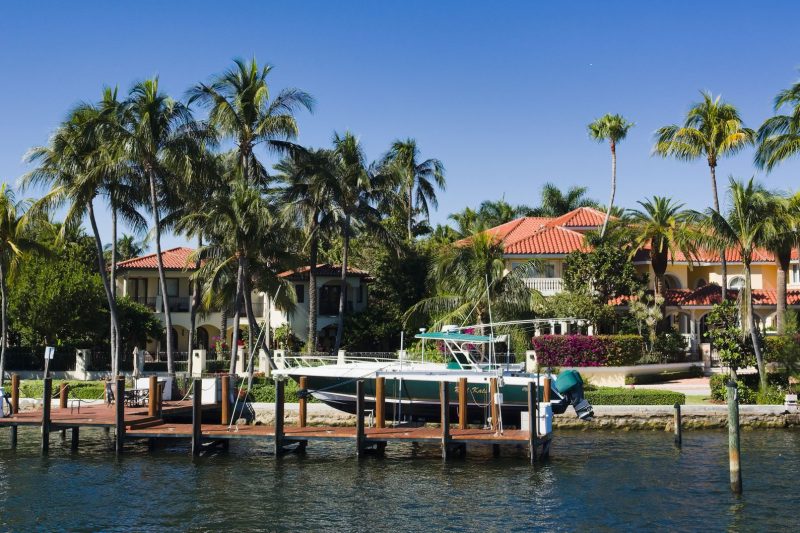
Buying a higher-priced home can be exciting, but jumbo loan requirements may feel confusing when they change by property location. A jumbo loan is a mortgage that exceeds the current conforming loan limit for the county and property type, which means it is not eligible for purchase by Fannie Mae or Freddie Mac. At E Zip Mortgage (NMLS# 239318), we’ll explain how Florida jumbo loans compare with jumbo financing in other states and what borrowers should review before applying.
Key Takeaways
- Loan Size: A mortgage becomes jumbo when it exceeds the current conforming loan limit for the county and property type.
- Florida Differences: Property insurance, flood risk, condo reviews, taxes, and closing practices can affect a Florida jumbo loan.
- Requirements: Jumbo lenders commonly review credit, income, assets, reserves, property condition, and occupancy more closely.
- Timeline: Jumbo loans often take several weeks, but insurance, appraisal, and condo documentation can affect the schedule.
- Best For: Jumbo financing may fit borrowers purchasing or refinancing properties above conforming loan limits.
Quick Answers About Florida Jumbo Loans
- What makes a mortgage a jumbo loan? The requested loan amount is above the current conforming loan limit for the applicable county and property type.
- Are jumbo guidelines the same in every state? No. The basic loan structure may be similar, but insurance, taxes, closing practices, property reviews, and lender requirements can vary.
- Do Florida jumbo loans automatically cost more? Not always. Rates, fees, insurance costs, and loan terms depend on the property, loan structure, market conditions, and borrower qualifications.
- Can a jumbo pre-approval be used in another state? It may need to be updated. The lender must review the new property location, loan limit, taxes, insurance, licensing, and program eligibility.
What Is Different About a Jumbo Loan?
Conforming loans follow guidelines established for mortgages that Fannie Mae and Freddie Mac can purchase. Jumbo loans fall outside those conforming limits and are underwritten according to the lender’s own program guidelines.
This does not mean every jumbo loan is difficult. It does mean there can be more variation from one lender to another. ONE bank may require more reserves, use a stricter debt-to-income limit, or decline a property type that another lender will consider.
We work for you and not the bank. We review the complete scenario and look for a lender whose guidelines fit the borrower, property, occupancy, and loan amount.
As of 2026, conforming loan limits still vary by county and can change over time. A loan that is jumbo in one county may be conforming in another. The current limit should always be checked before deciding which program applies.
Florida Jumbo Loans vs. Other States
The main underwriting categories are similar across the country. Lenders review credit, income, assets, liabilities, property value, and occupancy. The differences often show up in the property-related details and closing costs.
| Loan Factor | Florida | Other States |
|---|---|---|
| Property Insurance | Wind coverage, roof condition, deductibles, and carrier eligibility may receive added attention. | Risks vary by location and may include wildfire, earthquake, hail, or other regional concerns. |
| Flood Review | Flood-zone determinations are important, especially for coastal and low-lying properties. | Flood insurance may also be required outside Florida when the property is in an applicable flood zone. |
| Condo Approval | Project insurance, reserves, structural reports, assessments, and association documents may be closely reviewed. | Condo reviews still apply, but state laws and required association documents vary. |
| Taxes and Closing Costs | Florida mortgage and transfer-related taxes can affect the final closing figures. | Transfer taxes, recording charges, and local customs vary significantly by state and county. |
| Homestead Rules | A primary residence may receive Florida homestead-related tax treatment after eligibility and filing requirements are met. | Property tax exemptions and primary-residence rules depend on state and local law. |
State location does not replace borrower qualification. A strong property does not offset insufficient income, assets, credit, or reserves. The lender reviews the complete file.
Why Florida Property Insurance Matters
Insurance can be one of the biggest differences between a Florida jumbo loan and a loan in another state. The lender needs acceptable coverage before closing. That coverage must also meet the program’s requirements.
A Florida insurance review may consider:
- The age and condition of the roof
- Wind or hurricane coverage
- Named-storm deductibles
- Flood-zone status
- Replacement cost coverage
- The financial acceptability of the insurance carrier
- Condo association master policies, when applicable
A premium that is higher than originally estimated may also change the debt-to-income calculation. For that reason, it is helpful to obtain an insurance estimate early in the process instead of waiting until the loan is almost ready to close.
Other states have their own concerns. A lender may focus more heavily on wildfire coverage, earthquake exposure, hail deductibles, or rural property access. The specific risk changes, but the lender’s goal is the same: confirming that the property has acceptable coverage.
Florida Jumbo Condo Loans Require Extra Review
A jumbo condominium loan involves two approvals. The borrower must qualify, and the condominium project must meet the lender’s guidelines.
Florida associations may need to provide budgets, insurance documents, questionnaires, information about assessments, and available structural or reserve reports. Requirements vary based on the lender, project, loan type, and current Florida law.
An established project with complete records may move through review smoothly. A project with pending litigation, insufficient insurance, major deferred maintenance, or an unresolved special assessment may require more documentation. Some lenders may not accept the project at all.
Borrowers considering a higher-priced condominium can review our condo loan options before making an offer. Starting the project review early can help identify potential issues before important contract dates.
Jumbo Income and Asset Requirements Can Vary
Jumbo lenders commonly use more detailed documentation than conforming programs. Requirements can include income verification, asset statements, housing history, and reserves remaining after closing.
Cash reserves are funds that remain available after the down payment and closing costs are paid. The amount required often depends on the loan size, number of financed properties, occupancy, and overall risk profile.
W-2 and Salaried Borrowers
Lenders generally review current earnings and employment history. Bonus, commission, overtime, and other variable income may require additional documentation and a history showing that the income is stable enough to use.
Self-Employed Borrowers
Traditional jumbo underwriting may review personal and business tax returns. Business liquidity and the effect of withdrawing funds can also matter.
When tax returns do not reflect current cash flow, a bank statement mortgage program may provide another approach. These programs commonly analyze eligible deposits over a set review period instead of using traditional tax-return income. The exact calculation and expense factor vary by lender.
Borrowers With Significant Assets
Some borrowers have substantial liquid or retirement assets but limited traditional monthly income. An asset depletion loan may convert eligible assets into a calculated monthly income amount for underwriting purposes.
We provide options. A traditional jumbo loan may be the right fit, but it is not the only structure worth reviewing.
Occupancy Changes Jumbo Loan Guidelines
The property’s intended use is important. Lenders generally classify the home as a primary residence, second home, or investment property.
A primary residence is the home the borrower intends to occupy as their main residence. A second home must meet the lender’s use and location requirements. An investment property is purchased or held to produce rental income or another financial return.
These classifications can affect:
- Required down payment
- Available interest rate and terms
- Reserve requirements
- Use of rental income
- Property eligibility
- Number of financed properties allowed
The occupancy stated on the application must match the borrower’s actual intent. Florida has many second homes and investment properties, but location alone does not determine occupancy.
How to Prepare for a Florida Jumbo Loan
Good planning can reduce surprises. We recommend reviewing the financial file and the property details before an offer is made whenever possible.
- Check the current county loan limit. Confirm whether the requested loan amount is conforming or jumbo.
- Review income documentation. Determine whether traditional, bank statement, or another non-QM approach may fit the scenario.
- Document available assets. Separate funds needed for the down payment and closing from reserves that must remain after closing.
- Estimate insurance early. Obtain realistic hazard, wind, and flood quotes when applicable.
- Review the property type. Condos, unique homes, acreage, and investment properties may have additional guidelines.
- Compare lender requirements. Jumbo guidelines are not identical from one lender to another.
- Build time into the contract. Appraisals, insurance reviews, and association documents can take time.
We think outside the box when a standard jumbo program does not match the complete scenario. This may include reviewing different documentation methods, loan structures, and lenders without making assumptions about approval.
Questions to Ask Before Choosing a Jumbo Lender
Rate is important, but it is only one part of a jumbo loan. A program with an attractive rate may not work if the lender cannot approve the property or use the borrower’s income.
Helpful questions include:
- How does the lender calculate variable or self-employed income?
- How many months of reserves are required for this scenario?
- Does the program allow the intended property and occupancy type?
- What condo documents are required?
- Are there restrictions related to acreage or unique property features?
- How are large deposits and transferred funds documented?
- What insurance coverage and deductibles are acceptable?
- How long are the appraisal and underwriting steps expected to take?
Rates, fees, loan limits, and underwriting requirements change. Current information should always be verified for the specific property and borrower scenario.
Review Your Jumbo Loan Options
Florida jumbo loans can have more moving parts, especially when the property is a condo, second home, investment property, or coastal home. That does not mean every file needs the same solution.
With more than 25 years of mortgage experience, we know the details matter. We can review your scenario, compare available options, and explain the next steps.
Call, text, or email us when you are ready to discuss a Florida jumbo purchase or refinance. We can also help with pre-approval planning before you begin making offers.
Frequently Asked Questions
Can a jumbo loan finance a Florida condominium?
Yes, jumbo financing may be available for an eligible Florida condominium. The lender will review both the borrower and the condo project, including insurance, budgets, assessments, litigation, reserves, and available structural documentation.
How are Florida second homes and investment properties underwritten?
The lender reviews the intended occupancy, borrower qualifications, property type, and any rental income being used. Second homes and investment properties may have different down payment, reserve, pricing, and documentation requirements than primary residences.
Can self-employed borrowers use bank statements for a jumbo loan?
Some jumbo and non-QM programs allow eligible self-employed borrowers to qualify using personal or business bank statement deposits. The review period, eligible deposits, expense calculation, and documentation requirements vary by lender.
Why do jumbo lenders require cash reserves?
Reserves show that funds remain available after the down payment and closing costs are paid. The required amount depends on the loan size, occupancy, number of financed properties, asset type, and lender guidelines.
Can property insurance affect jumbo loan approval?
Yes. The lender must confirm that the property has acceptable coverage, deductibles, and an eligible insurance carrier before closing. Insurance premiums also become part of the borrower’s housing expense and can affect qualification.
This is educational and not financial advice. Loan programs and guidelines can change. Talk with a licensed mortgage professional about your specific scenario.

About the Author
Collin Atchison
Managing Member / Sr Mortgage Loan Originator at E Zip Mortgage · NMLS #328028
I’m here to answer any questions you might have about our products and services. Feel free to contact me to discuss any of your mortgage needs.
Specializes in: DSCR, Bank Statement, Jumbo Loans
Licensed in: CA, FL, NC, TN, TX, VA
Related Posts